.png&w=384&q=75)
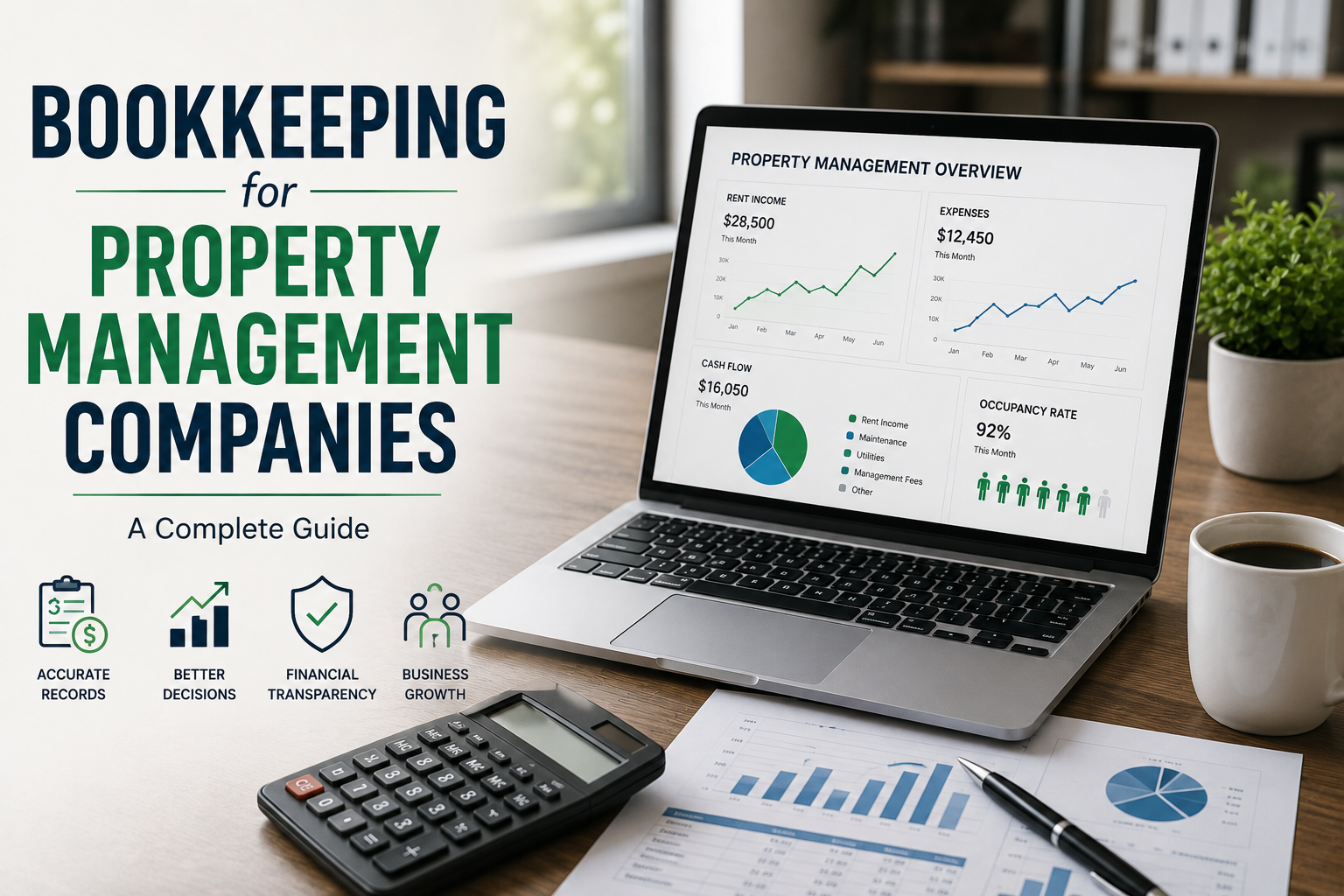
Discover why accurate bookkeeping is crucial for property management companies to maintain healthy cash flow, build owner trust, simplify tax preparation, and ensure compliance with real estate regulations.
Don't want to read? Ask a question
Our AI can quickly summarize or answer specific questions based on this article.
Why Bookkeeping Matters for Property Management Companies
Managing a property involves much more than collecting rent and coordinating maintenance. Every day, property management companies handle a wide range of financial activities, including rent collections, vendor payments, maintenance expenses, security deposits, utility bills, payroll, and owner distributions. As your real estate portfolio grows, so does the sheer volume of financial transactions that need to be tracked accurately.
Without a reliable property management bookkeeping system, it's incredibly easy for financial records to become disorganized. Missed transactions, incorrect expense entries, delayed owner payments, or unreconciled accounts can lead to confusion, cash flow problems, and unnecessary stress.
Professional bookkeeping provides a clear, organized picture of your business finances. It helps you monitor income and operating expenses, prepare accurate financial reports, stay compliant with real estate regulations, and make informed decisions with absolute confidence. More importantly, it allows you to spend less time managing paperwork and more time focusing on tenants, property owners, and business growth.
Let's explore why bookkeeping is one of the most fundamental parts of running a successful property management company.
1. Keeps Cash Flow Under Control
Cash flow is the backbone of every property management business. Rent payments come in throughout the month, while expenses such as maintenance, repairs, payroll, insurance, utilities, and vendor payments continue to go out. If you don't have a clear picture of your cash flow, it becomes difficult to plan ahead or cover unexpected expenses.
A well-maintained real estate accounting system records every transaction as it happens, giving you an accurate, real-time view of your financial position. You can easily monitor incoming rent, outstanding payments, recurring expenses, and available funds. This helps you pay vendors on time, avoid cash shortages, and make proactive financial decisions.
Regular bookkeeping also allows you to identify historical patterns—such as seasonal maintenance costs or routinely delayed rent payments—so you can plan more effectively and improve overall financial stability.
2. Builds Trust with Property Owners
Property owners rely on management companies to protect one of their most valuable investments. They expect complete transparency regarding how their property is performing and how their money is being managed.
Accurate bookkeeping allows you to generate detailed owner statements that clearly outline rental income, operating expenses, maintenance costs, reserve balances, and owner distributions. Providing these financial reports on time demonstrates professionalism and builds immense confidence in your services.
When owners receive accurate and easy-to-understand financial breakdowns every month, they are significantly more likely to trust your management, continue working with you long-term, and recommend your services to other investors.
3. Makes Financial Reporting Simple and Accurate
Financial reports provide highly valuable insights into the performance of both your business and the individual properties you manage. However, these reports are only useful when the information is 100% accurate and up to date.
Proper bookkeeping ensures every transaction is recorded correctly, making it easy to generate essential reports such as:
- Profit and Loss Statements (P&L)
- Balance Sheets
- Cash Flow Statements
- Accounts Receivable Reports
- Accounts Payable Reports
- Owner Statements
These reports help answer critical questions like:
- Which properties generate the highest returns?
- Are maintenance expenses increasing year-over-year?
- Which vendors account for the highest operational costs?
- How much rent is still outstanding?
- Is the business maintaining healthy cash flow?
Having access to precise property management financial reports allows you to make confident decisions based on hard data rather than assumptions.
4. Simplifies Tax Preparation and Compliance
Tax season becomes much easier when your financial records are organized throughout the year. Instead of searching for invoices, receipts, or payment records at the last minute, everything is already documented, categorized, and easy to access.
Consistent bookkeeping helps you keep track of business expenses, payroll records, vendor payments, and other financial information needed for tax filing. It drastically reduces the chances of errors that could lead to audits, penalties, or delays.
Additionally, many property management companies are required to maintain trust accounts and follow strict, state-specific financial regulations. Keeping accurate books helps ensure your records remain organized, complete, and legally compliant throughout the entire year.
5. Helps You Make Better Business Decisions
Successful business decisions are based on reliable financial information. Bookkeeping provides the analytical insights needed to understand what's working well and where immediate improvements can be made.
By reviewing your financial records regularly, you can quickly identify:
- Properties with disproportionately high maintenance costs
- Tenants with recurring late payments
- Opportunities to reduce operating expenses and increase margins
- Seasonal changes in cash flow
- Areas where overall profitability can be improved
These insights help you make informed, strategic decisions that support long-term growth and improve overall business performance.
6. Saves Time and Reduces Costly Errors
Managing financial records manually—or updating them only once a month—often leads to easily avoidable mistakes. Duplicate entries, missing invoices, incorrect expense categories, and unreconciled bank accounts can create massive problems and consume valuable time to fix.
Keeping your books updated on a regular basis prevents these issues before they snowball into larger problems. It also eliminates the time spent correcting errors, hunting down missing documents, or struggling to prepare reports.
As your business grows, outsourcing bookkeeping to experienced accounting professionals can further improve efficiency, ensuring your financial records remain flawless while freeing you up to run your business.
7. Supports Long-Term Business Growth
As your property portfolio expands, managing finances naturally becomes more complex. More properties mean more tenants, more vendors, more transactions, and greater reporting responsibilities.
A well-organized bookkeeping system scales alongside your business. It provides reliable financial data, supports strategic planning, and helps you expand your operations without ever losing control of your finances.
Whether you're adding new properties, expanding into new geographic markets, or growing your internal team, accurate property management bookkeeping provides the rock-solid financial foundation needed for sustainable growth and long-term success.