.png&w=384&q=75)
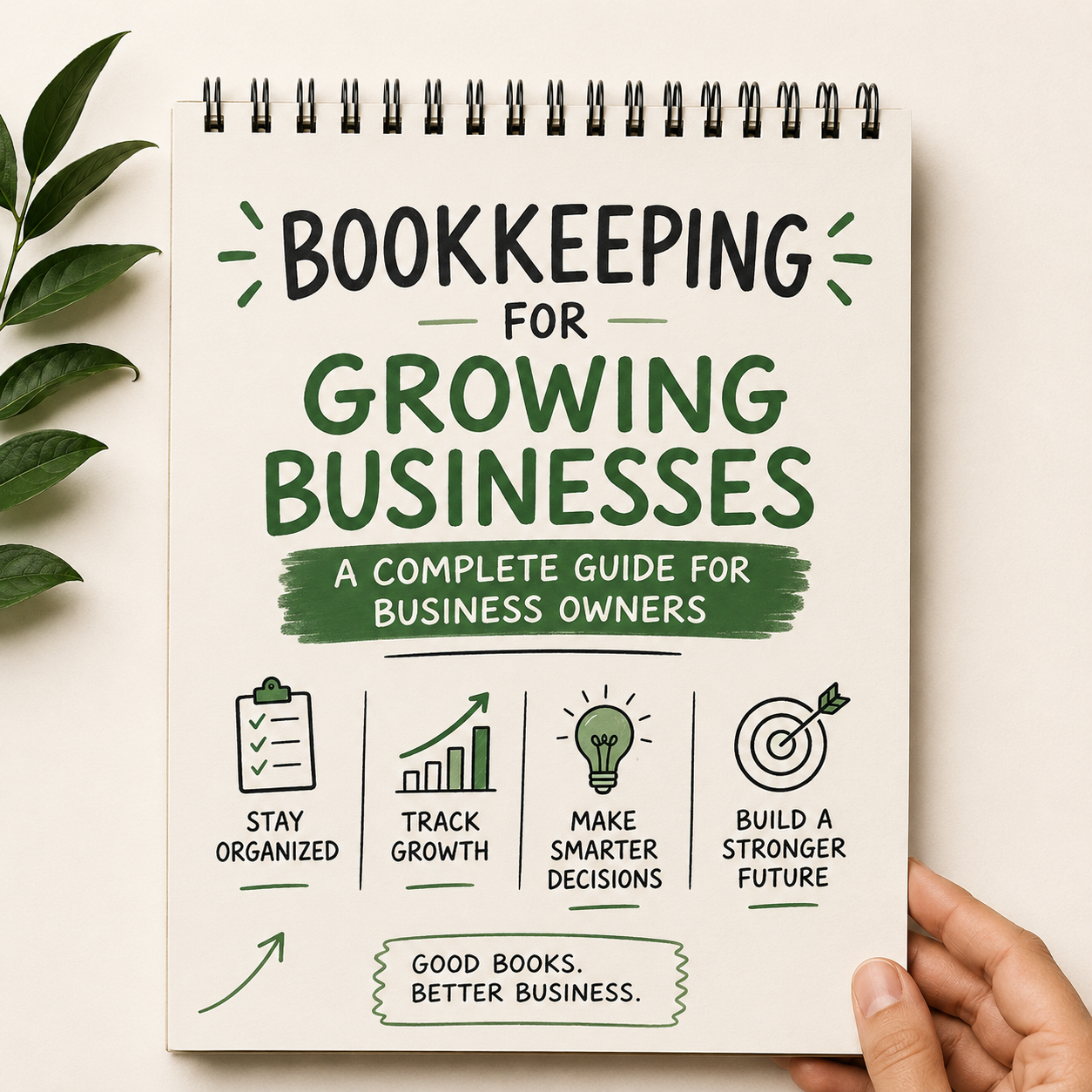
Bookkeeping for Growing Businesses: A Complete Guide for Business Owners Bookkeeping for Growing Businesses: A Complete Guide for Landlords If you run a business, keeping accurate books isn’t optional — it’s essential. Without proper bookkeeping, you risk missing deductions, failing tax audits, and losing track of your actual profitability.
Don't want to read? Ask a question
Our AI can quickly summarize or answer specific questions based on this article.
Bookkeeping for Growing Businesses: A Complete Guide for Landlords
If you run a business, keeping accurate books isn’t optional — it’s essential. Without proper bookkeeping, you risk missing deductions, failing tax audits, and losing track of your actual profitability. In this guide, we cover everything business owners need to know about bookkeeping — from setting up your system to tracking income and expenses the right way.
Why Bookkeeping Matters for Business Owners
Many business owners underestimate how complex their finances can get — especially once they start growing. Every transaction generates its own income, expenses, and tax obligations. Without a clear bookkeeping system, it becomes nearly impossible to know which products, services, or departments are profitable and which are draining your cash flow.
Accurate bookkeeping helps you:
- Track income and expenses by department or project
- Prepare tax-ready reports for your accountant
- Identify your most and least profitable revenue streams
- Stay compliant with tax and regulatory requirements
- Make smarter decisions about investing, hiring, and scaling
What Should Business Bookkeeping Include?
Good bookkeeping for any business should track the following every month:
Income — record every payment received, including invoices, subscriptions, and other revenue sources.
Operating Expenses — salaries, rent, utilities, software subscriptions, marketing costs, and vendor payments.
Payroll — track employee salaries, contractor payments, and associated tax obligations accurately.
Depreciation — business assets depreciate over time. Your accountant needs accurate records to calculate this correctly for tax purposes.
Accounts Receivable & Payable — track what you owe and what is owed to you at all times to maintain healthy cash flow.
Capital Expenditures — major purchases that extend the life or value of your business must be tracked separately from regular expenses.
Best Accounting Software for Businesses
Choosing the right software makes bookkeeping significantly easier. Here are the most popular options for business owners:
QuickBooks — the most widely used accounting software globally. Works well for businesses of all sizes with powerful reporting and tax preparation features.
Xero — cloud-based and user-friendly. Excellent for growing businesses that need real-time financial visibility and seamless bank reconciliation.
AppFolio — purpose-built for property management businesses. Handles rent collection, maintenance requests, owner statements, and bookkeeping all in one platform.
Buildium — designed specifically for property managers and HOA management companies. Excellent for businesses managing large residential portfolios.
Shopify — integrates seamlessly with bookkeeping tools for eCommerce businesses tracking sales, inventory, and returns across multiple platforms.
Each platform has strengths depending on your industry and business size. If you’re unsure which is right for you, a specialized virtual bookkeeper can help you decide.
Common Bookkeeping Mistakes Business Owners Make
Even experienced business owners make these mistakes:
Mixing personal and business finances — always use a separate bank account for your business. This is non-negotiable.
Not tracking small expenses — small purchases and subscriptions add up quickly. Every expense is a potential tax deduction.
Waiting until tax season — bookkeeping done monthly is far easier and more accurate than trying to reconstruct a full year in March.
Not reconciling bank accounts — monthly bank reconciliation catches errors, duplicate transactions, and fraud before they become serious problems.
Ignoring cash flow — profit and cash flow are not the same thing. A business can be profitable on paper but still run out of cash. Track both every month.
Not keeping receipts — always keep records of every business expense. Digital tools like QuickBooks and Xero make this simple.
Should You Hire a Virtual Bookkeeper?
DIY bookkeeping works when your business is small and transactions are simple. But as your business grows, the complexity grows with it. A specialized virtual bookkeeper can:
- Handle monthly reconciliations across all accounts
- Prepare financial reports and performance insights
- Work directly inside your preferred accounting software
- Ensure your books are tax-ready every month
- Free up your time to focus on growing your business
At Docfyle Advisory, we provide virtual bookkeeping, accounting, and CFO services for businesses of all sizes across the globe. Our expert team works directly inside QuickBooks, AppFolio, Buildium, Xero, and more — keeping your books accurate, compliant, and stress-free every month.
Conclusion
Bookkeeping for your business doesn’t have to be overwhelming. With the right system, the right software, and consistent monthly habits, you can keep your finances organized, compliant, and ready for growth at every stage.
If you’d rather focus on running and growing your business and leave the books to the experts — we’re here to help.